December 18, 2025
New Build vs Existing Properties: Pros and Cons for First Home Buyers in New Zealand
Choosing Between a New or Existing Home
For first-home buyers, one big question is whether to buy a brand-new build or an existing property. Both options have their appeal. New builds offer lower maintenance and modern comfort, while older homes provide character and established neighbourhoods. So how do you decide which suits you best?
At Capital Advice, we’ve helped first-home buyers across New Zealand secure loans for both new and existing homes. This guide breaks down the key advantages and drawbacks of each, helping you weigh up what matters most for your situation.
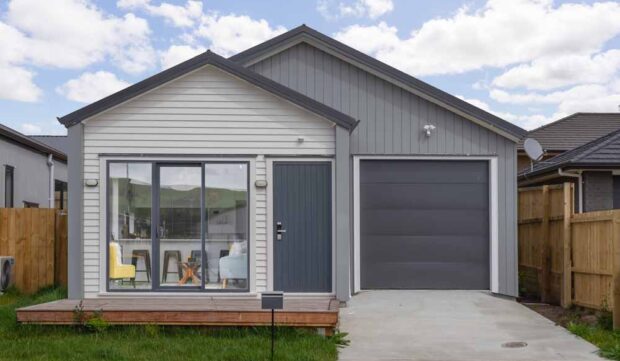
Pros of Buying a New Build Home
- Everything Is New and Low Maintenance
A new build means you won’t face costly repairs or upgrades for a long time. Roofs, wiring, plumbing, and appliances are all new, reducing the likelihood of unexpected expenses. For first-home buyers adjusting to mortgage repayments, that reliability offers peace of mind. - Built to Modern Standards
New homes are warmer, drier, and more efficient. They must comply with current building codes, including quality insulation, double glazing, and better ventilation. As a result, you’ll benefit from lower power bills and a healthier home environment. - Smaller Deposit Requirements
New builds, especially for first home buyers, are often exempt from certain Reserve Bank loan-to-value ratio (LVR) restrictions, which means lenders may accept deposits as low as 10%. If you’re eligible for a First Home Loan, your deposit could be as little as 5%. This lower threshold can make buying your first home achievable sooner. - Developer Warranties and Extras
Most new builds come with a Master Builder or similar 10-year structural guarantee, giving confidence that your investment is protected. Developers also tend to include modern appliances and fittings as part of turnkey packages. - Designed for Modern Living
Expect open-plan layouts, internal-access garages, and seamless indoor-outdoor flow. For those who value convenience and modern design, new builds tick every box.
Cons of Buying a New Build
- Buying Off the Plans
When buying off-plan, you commit before the property exists. That can feel uncertain, as you rely on the developer’s timeline and promises. Delays in construction and minor design changes are not uncommon. - Location Trade-Offs
New developments often sit on the city fringe. While they will grow over time, early buyers may have limited access to shops, public transport, or schools. Consider the commute and whether nearby amenities are still years away. - Extra Finishing Costs
Not every new build is fully complete. Landscaping, fencing and like is sometimes excluded from the package price. It’s essential to confirm what’s included and set aside a budget for finishing touches. - Limited Character and Smaller Sections
Uniformity is common in new subdivisions. If you value individuality, you might find the “cookie-cutter” style less appealing. Sections are usually way smaller in new developments than those of older properties. - Slower Capital Growth in Some Areas
If many similar houses are being built nearby, resale gains can take time. New suburbs typically mature slowly, so short-term growth may be modest compared to established locations.
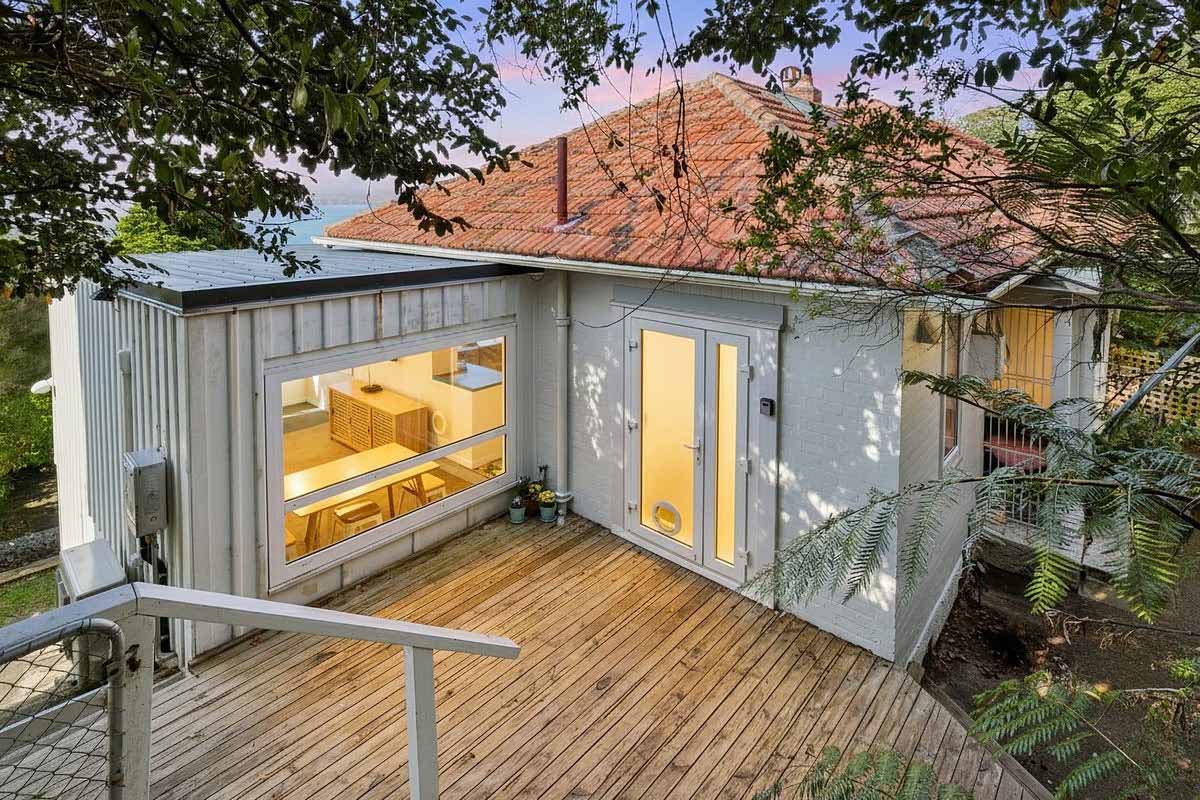
Pros of Buying an Existing Property
- Established Areas and Amenities
Older homes are usually located in well-developed suburbs with access to public transport, schools, and community facilities. If being close to work or family matters, an existing home might suit you better. - Character and Certainty
You can inspect the property, get a builder’s report, and know exactly what you’re buying. Plus, older homes often come with features you won’t find in modern builds – native timber floors, ornate ceilings, or mature gardens. - Larger Land and Future Potential
Many existing homes sit on larger sections, giving you space for pets, gardens, or future extensions. Land remains a valuable long-term asset. - Opportunity to Add Value
Renovations are a powerful way to grow equity. Even modest improvements to kitchens, bathrooms, or insulation can increase both comfort and resale value. - Room for Negotiation
Private vendors may be more flexible on price than developers, especially if a property has been on the market for a while. This flexibility can help stretch your budget further.
Cons of Buying an Existing Property
- Higher Deposit Requirements
For existing homes, banks often require a 20% deposit unless you qualify for special schemes. That can make entry tougher for buyers without a large savings base. - Ongoing Maintenance
Roofs, plumbing, and wiring in older homes often need work. Budgeting for ongoing maintenance is essential. Even well-maintained homes will eventually need upgrades or repairs. - Outdated Standards
Homes built decades ago may lack insulation or modern heating systems. Upgrading to meet Healthy Homes requirements or your own comfort standards can add significant cost. - Competitive Market
Established areas are often in high demand, meaning more competition and potential bidding wars. You’ll also need to fund due diligence (like builder’s reports) before auctions, which can be stressful if you miss out. - Limited Customisation
What you see is what you get. While older homes have charm, they also reflect the tastes of previous owners. Any major changes will require time, money, and council consent.
Making the Right Choice for You
There’s no single answer to whether new or existing homes are “better.” It depends on your finances, lifestyle, and priorities.
- Choose a new build if you want modern comfort, low maintenance, and can benefit from a smaller deposit.
- Choose an existing home if location, space, or potential to add value are higher priorities.
Regardless of which you prefer, getting pre-approved for a home loan early is key. This step clarifies your borrowing power and makes you a stronger buyer when the right property appears.
If you’re unsure which path to take, we can help. At Capital Advice, we work with a wide range of lenders and help first-home buyers compare both new build and existing property loan options side by side. Our advice is free, and we’ll make sure your lending structure sets you up for long-term success.
Share this
Date
December 18, 2025
Leave a Comment