April 1, 2026
Smart Ways to Manage Your Construction Loan While Building
Building a home is exciting, but managing the finance behind it requires careful planning. Construction loans work differently from standard mortgages, and understanding how they operate can save you stress, delays, and unnecessary costs.
Below is a practical breakdown of how construction loans work and how to manage them well from start to finish.
How Construction Loans Work
Unlike a standard mortgage that is paid out in full at settlement, construction loans are released in stages as your build progresses. These staged releases are referred to as progress payments.
Typical construction stages include:
- Foundations
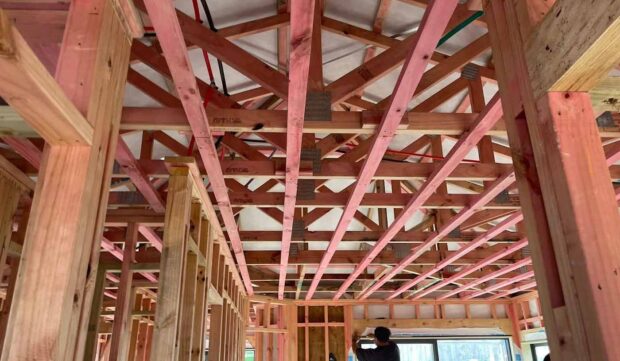
- Frame completion
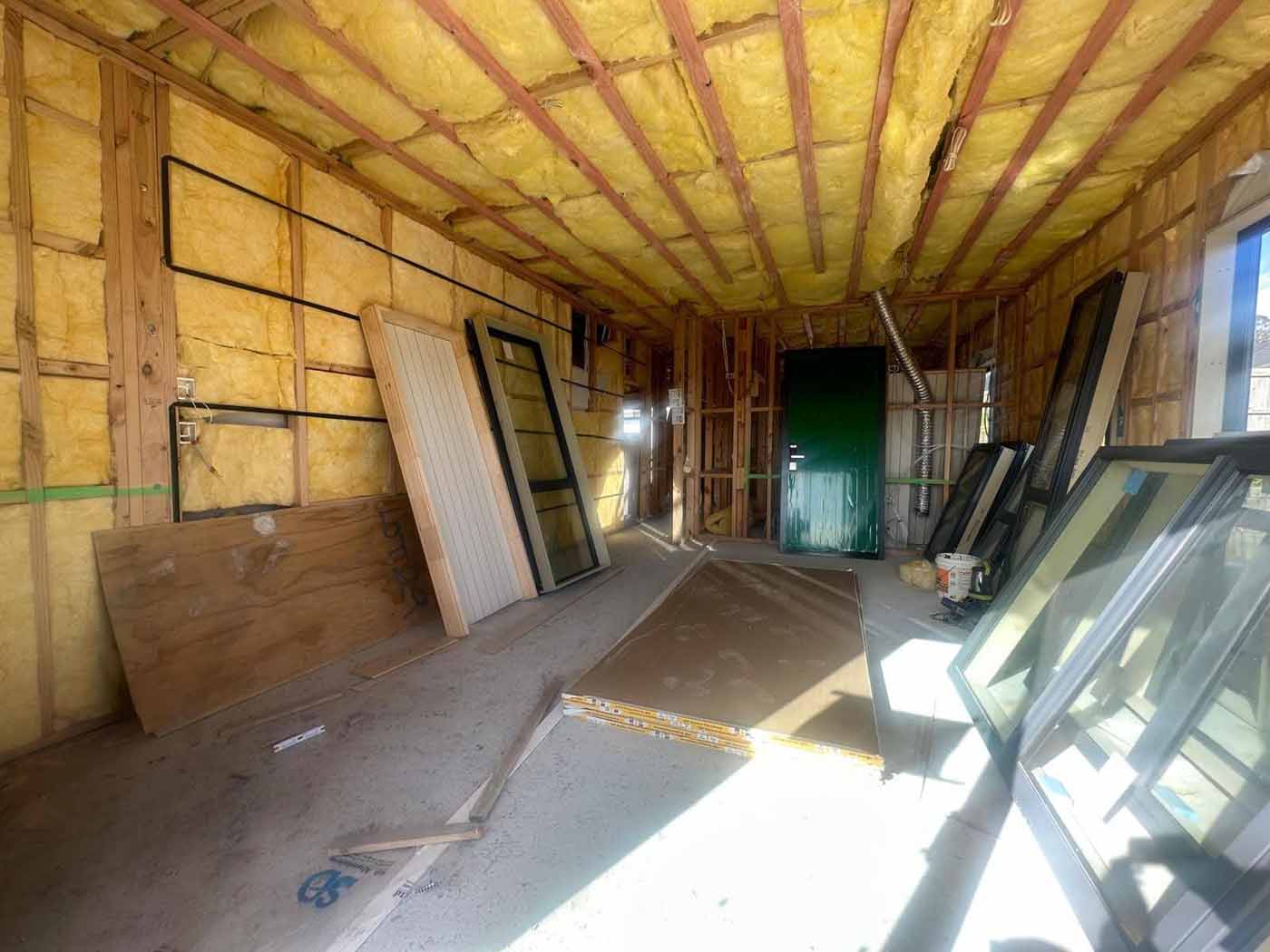
- Lock-up stage
- Interior fit-out
- Final completion
At each stage, your lender confirms that work has been completed before releasing funds. This protects both you and the bank because payments match building progress.
During the build period, borrowers pay interest only on the amount drawn, not the full loan. This structure keeps early repayments lower but requires careful budgeting as the loan balance gradually increases.
Why Construction Finance Needs Active Management
A construction loan is not something you set up and forget. Builds can change, costs can shift, and timelines can move. Many borrowers underestimate how involved they need to be once construction starts.
Lenders and mortgage advisers commonly see issues when:
- Clients change build plans mid-project without checking lending impact
- Borrowers don’t realise progress payments affect borrowing capacity
- Build delays create cash flow pressure
Building costs can rise unexpectedly due to labour shortages or material price increases, which is why having a contingency fund of about 10%-15% is recommended.
Tips to Manage Your Loan Successfully
1. Understand Your Contract and Payment Schedule
Before building begins, review your construction contract carefully. Payment schedules should clearly match building stages and lender requirements. Builders sometimes request early payments, but funds are released only upon stage completion and verification.
2. Budget Beyond the Building Cost
Your total project cost includes more than just the build itself. Banks assess the combined value of land plus construction when determining deposit requirements.
Other expenses can include:
- council fees
- consent costs
- landscaping
- driveways
- insurance
3. Keep Communication Tight Between Builder and Lender
Construction finance works best when all parties communicate clearly. Each progress payment requires documentation and inspections before funds are released.
If paperwork is late or incomplete, payments can be delayed, which can strain your relationship with your builder. Staying proactive prevents unnecessary stress and keeps the project moving.
4. Understand Your Interest Costs During Construction
You only pay interest on drawn funds during the build period, which keeps repayments lower early on.
However, as more funds are released, your interest costs will rise. This means your monthly expenses will gradually increase as the build progresses. Planning for this step-up prevents budget shock halfway through construction.
5. Have the Right Insurance in Place
Before releasing funds, lenders typically require builder’s risk or contract works insurance, along with liability cover.
These policies protect both you and the lender if something goes wrong during construction. Skipping or delaying insurance can hold up progress payments.
6. Choose the Right Loan Structure From the Start
Not all lenders treat construction finance the same. Some specialise in complex builds, while others prefer standard contracts or traditional materials.
Structuring your lending correctly from day one can make approval easier and reduce delays later. Reviewing options with a professional can help you align your loan structure with your project timeline.
If you are planning to build, get home loan advice from trusted advisers today.
Construction Market Considerations in Wellington
Wellington’s environment has its own dynamics. Local consent activity has been rising recently, reflecting renewed development momentum after slower years. Recent community discussions highlight that the city is issuing more building consents than neighbouring regions, signalling increased construction activity.
More activity can mean:
- stronger demand for builders
- longer timelines
- tighter contractor availability
Common Mistakes to Avoid
From our experience working with clients, these are the most frequent issues that complicate construction loans:
- Underestimating total costs
- Choosing a builder without proper credentials
- Not allowing time for approvals
- Running too close to borrowing limits
- Failing to plan for rate changes
Most of these problems can be prevented with preparation and early advice.
A mortgage review before building can identify whether your current structure supports a construction loan or needs adjustment.
When to Get Advice
The best time to get help is before you sign a contract with the builder. At that stage, small changes can make a big difference to approval, flexibility, and long-term cost.
We help clients:
- compare lenders
- structure staged lending
- calculate realistic budgets
- coordinate finance with build timelines
If you want guidance before starting your project, you can contact us to talk through your plans.
Share this
Date
April 1, 2026
Leave a Comment