May 7, 2026
Cap Rates In 2026: What Is A Good Capitalisation Rate For A New Zealand Investment Property?
If you are looking at buying an investment property in 2026, one of the terms that comes up quickly is cap rate, short for capitalisation rate. It is a useful metric, but it is also one that gets misunderstood. A cap rate can help you compare properties and sanity-check a deal, though it should never be the only number driving the decision.
For residential investors in New Zealand, especially first-time investors, the real question is usually not just “what is the cap rate?” It is if the return stacks up once lending, maintenance, vacancy, and long-term goals are taken into account. That is where the conversation becomes more useful.
What A Capitalisation Rate
A cap rate is a simple way of measuring a property’s income return relative to its value or purchase price.
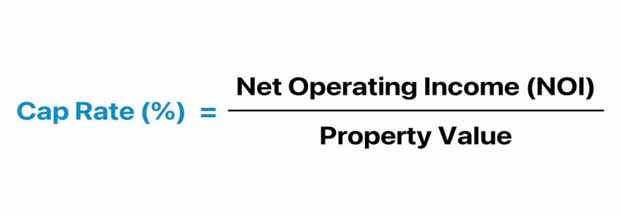
The basic formula is:
Net Operating Income ÷ Property Value x 100
So if a property produces $30,000 a year in net income and is worth $600,000, the cap rate is 5 percent.
The key word there is net. A proper cap rate uses income after operating costs such as rates, insurance, maintenance, and management, but before interest and tax. That makes it different from a gross yield, which is based only on rental income divided by purchase price.
In practice, many New Zealand residential investors start with gross yield because it is easier to calculate quickly. Cap rate is still useful, especially when comparing properties, but residential buyers should treat it as part of a wider investment analysis rather than the full answer.
What Is A Good Cap Rate In 2026?
There is no single magic number. A “good” cap rate depends on location, property type, condition, tenant demand, and how much growth potential you expect.
As a broad guide, lower cap rates often show up in areas where buyers are paying for stronger long-term growth prospects or tighter supply. Higher cap rates can look attractive on paper, but they can also reflect weaker demand, more risk, or slower long-term capital growth.
That is why we would not assess a rental purely on whether it shows a 5 percent cap rate versus 4 percent. A lower cap rate in a stronger location can still be the better investment if vacancy risk is lower, tenant quality is stronger, and the long-term fundamentals are better.
In 2026, the financing environment also matters. The Reserve Bank held the OCR at 2.25 percent in April 2026, and in February it noted the average mortgage rate had declined to about 5.1 percent, although further falls were expected to be more limited than previously assumed. That means investors still need to be realistic. A cap rate that looked comfortable when rates were lower may not feel as generous once debt costs, compliance, and maintenance are added back in.
Cap Rate Is Useful, But It Does Not Replace Strategy
One of the biggest mistakes we see is investors chasing the highest apparent return without asking what sits behind it.
A property with a higher cap rate may also have:
- higher maintenance risk
- more tenant turnover
- lower long-term growth prospects
- weaker resale demand
- tighter lender appetite
A property with a slightly lower cap rate may still be the stronger long-term hold if it sits in a better location and fits a smarter lending structure.
That is why our work around property investing usually starts with the investor’s wider goals rather than with a single metric. Some buyers want stronger cash flow. Others are comfortable with a tighter yield if the asset quality and long-term growth case are stronger.
How To Utilise Cap Rate Properly
Cap rate works best when used as a filter, not a verdict.
Here is a better way to use it:
1. Compare Similar Properties
Use cap rate to compare one residential investment against another in the same market or property type. It becomes much less useful if you are comparing unlike assets.
2. Check Whether The Income Story Makes Sense
If the numbers produce a very low cap rate, ask if the rent is under market, whether the property is overpriced, or you are effectively paying for growth.
3. Look At Debt Separately
Cap rate is calculated before interest. That means a property can show a decent cap rate but still feel tight once borrowing costs are layered in. This is where loan structure matters, which is why investors often benefit from a proper review of their home loan options or a mortgage review before they commit.
4. Factor In Deposit Rules
For many investors, the biggest practical constraint is not the cap rate itself but the deposit and servicing requirements. Capital Advice’s own investment deposit guide explains that most investors still need around 30 percent equity under current LVR settings, although qualifying new builds and certain scenarios can be treated differently.
A Better Question Than “What’s A Good Cap Rate?”
A stronger question is: does this property produce a return that fits my strategy after realistic costs and finance are applied?
That is more useful than chasing a benchmark number in isolation.
For a first-time investor, a “good” cap rate in 2026 is one that:
- works with current lending settings
- leaves room for realistic expenses
- fits your deposit position
- sits in a market you are comfortable owning in
- aligns with your balance between cash flow and growth
Sometimes that will mean accepting a slightly lower cap rate on a better asset. Sometimes it will mean targeting a higher-yielding property because cash flow matters more in the early stages.
Choosing The Right Approach
Cap rate is a useful tool, but it is only one piece of the investment picture. In 2026, with mortgage rates still materially above the lows of recent years and Wellington remaining a selective buyer’s market, investors need to look past simple headline numbers and assess the full deal properly.
If you are weighing up an investment purchase, the next step is usually less about finding the perfect spreadsheet figure and more about getting the structure right from day one. That includes deposit strategy, servicing, and how the new property fits your wider lending position. You can explore that through investment property loans, review your current lending with a mortgage review, or contact us to talk through the numbers before you commit.
Share this
Date
May 7, 2026